Space science
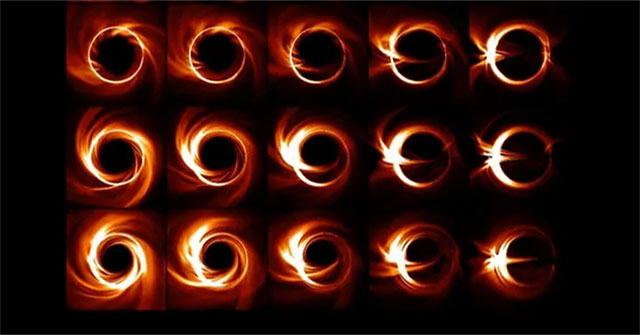
Is it a coincidence: All cosmic black holes look like donuts, regardless of size
According to DigitalTrends, the black hole Sagittarius A* is a supermassive black hole, usually found at the center of most galaxies.
Browse ScienceInfo articles and explainers related to Discover The Universe.
86 published items.
According to DigitalTrends, the black hole Sagittarius A* is a supermassive black hole, usually found at the center of most galaxies.
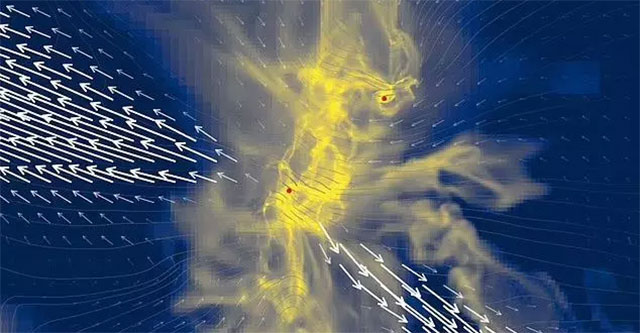
Earth is the lucky planet in the middle of the rather small habitable zone of the Solar System, but the unluckiest in the universe. The most habitable world might be the…
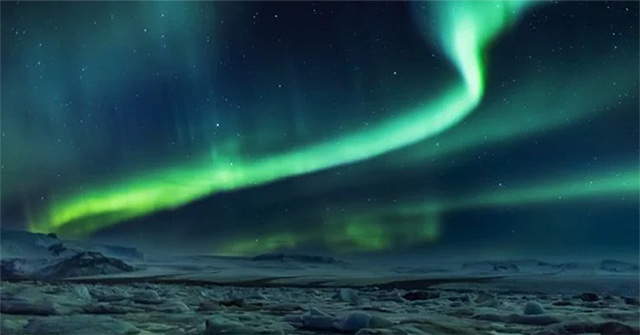
Massive CMEs (coronary mass ejections) from the Sun not only set Earth's sky ablaze in colorful auroras, but also emitted wild sounds.
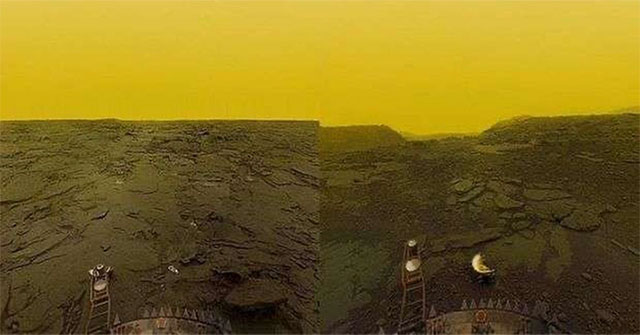
Venus and Earth are considered twin planets, while Earth exists life, Venus turns into a scorching hell.
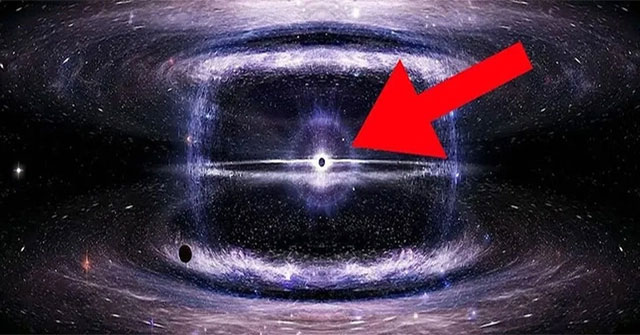
A new study has shown that the universe is changing and starting to enter the process of receding.
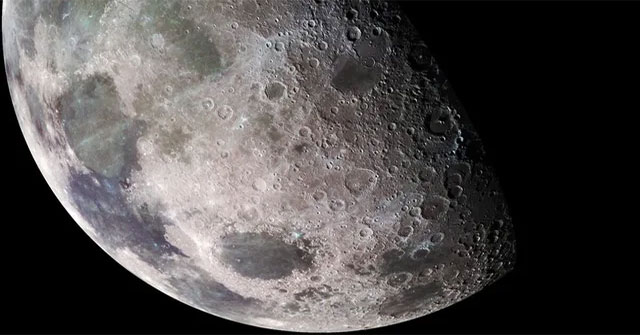
Over the past billions of years, Earth may have dumped about 3,500 cubic kilometers of water onto the Moon's poles.
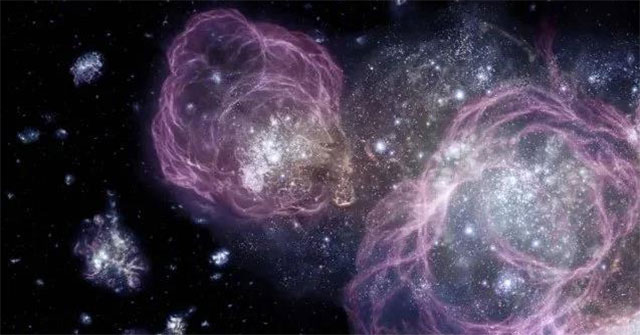
The endless space around our little Earth may not last forever, but is slowly entering a period of stagnation and degeneration, US researchers have revealed.
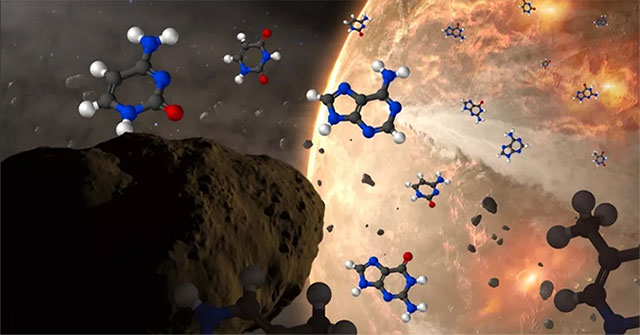
Scientists claim the key 'genetic letters' of life on Earth can be found in space rocks.
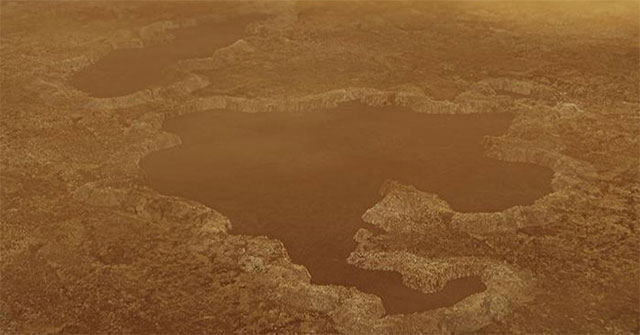
According to the scientific journal PHYS, NASA observations have long shown that Saturn's moon TItan has a very similar landscape to Earth.
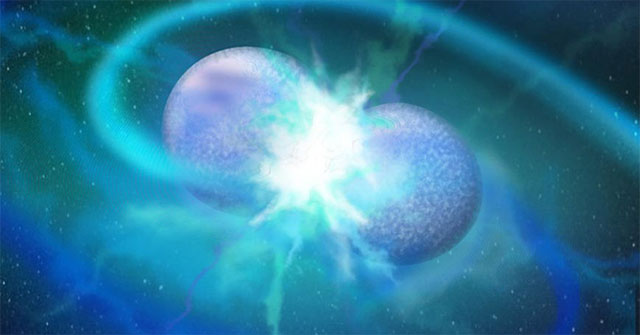
German and Argentine scientists have identified a strange, powerful new type of star covered in helium-burnt ash. More horrifying, this kind of cosmic monster spawns fro…
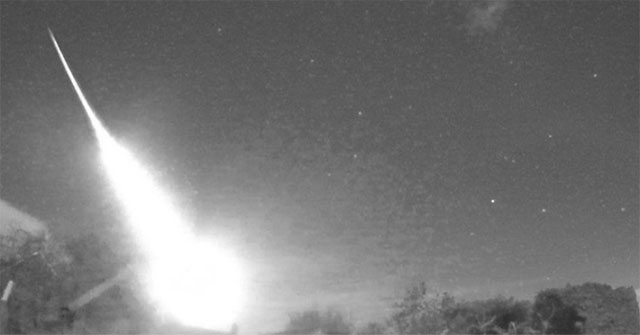
The meteorite that hit Earth last week could break into four pieces, about the size of an egg and be glossy black or brown.
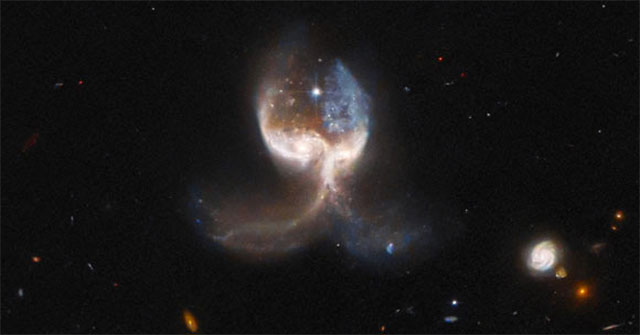
A window into the future has been captured by the Hubble telescope: A view of two equally massive galaxies that make up the object known as the Angel's Wing.
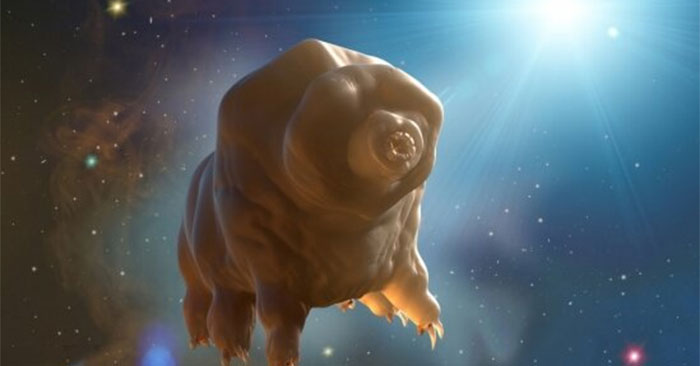
Human spaceships are not the first victims of undead monsters. They still often smuggle tickets to other Earth creatures when they need to travel far.
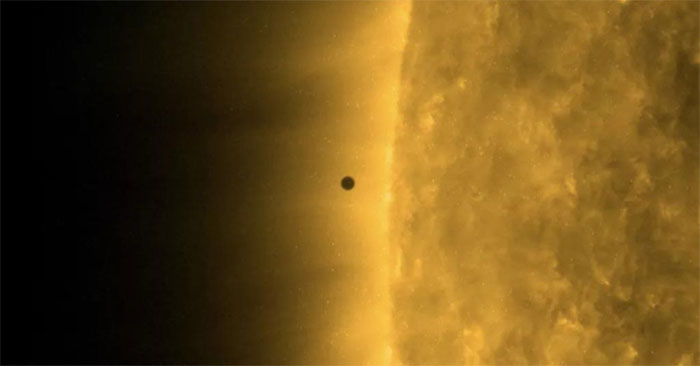
In parallel with the plasma punch that ignited Earth's northern sky recently, the Sun also blasted its nearest planet - Mercury - with a plasma tsunami.
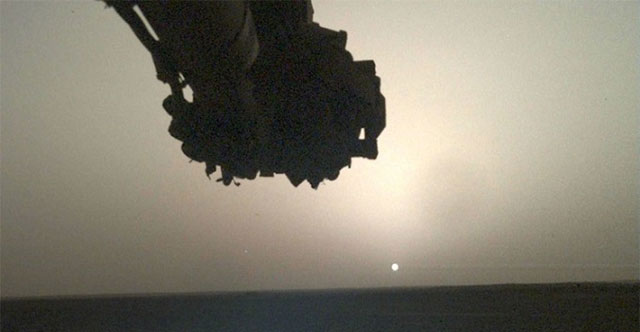
NASA shared an image of the Sun rising over the horizon taken from the camera of the InSight lander.